The Beauty of Nature
This article was created using ChatGPT and meant as a placeholder
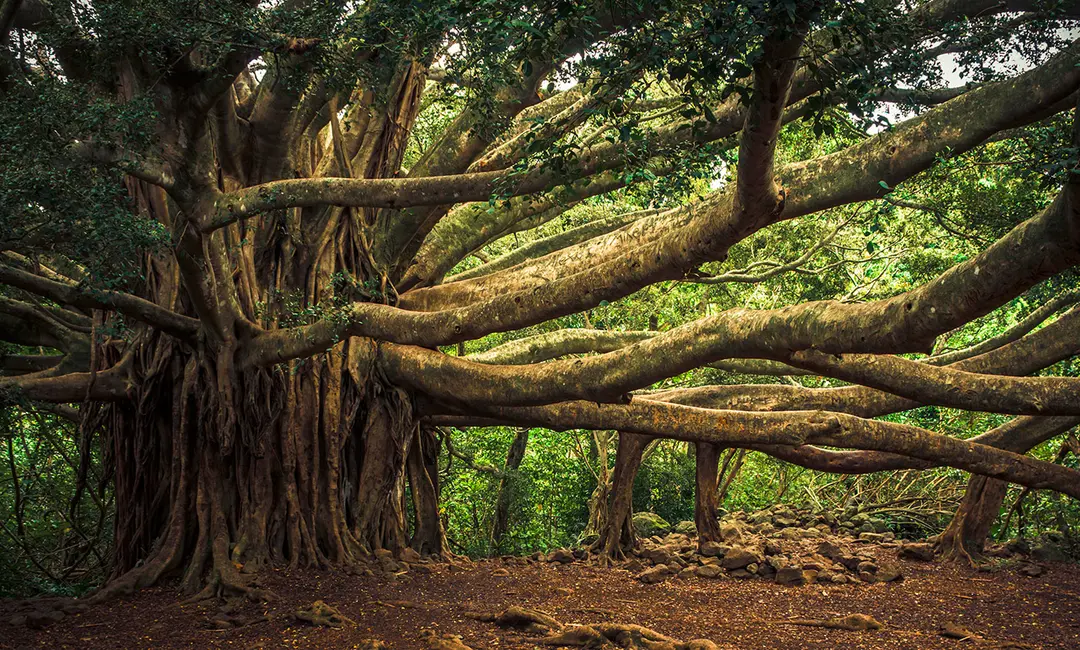
Nature is an ever-present force that surrounds us, offering beauty, tranquility, and endless inspiration. From the towering mountains to the vast oceans, the diversity of life and landscapes on Earth is a constant reminder of the magnificence of our planet.
The Importance of Nature #
Nature plays a vital role in sustaining life on Earth. It provides the resources we need, such as water, air, and food, while also offering spaces for relaxation, reflection, and recreation. The natural world serves as a sanctuary for biodiversity and is essential to maintaining ecological balance.
1. Biodiversity #
The Earth's diverse ecosystems—forests, deserts, oceans, and grasslands—are home to millions of species, each playing a unique role in their environment. The variety of life, from the smallest insects to the largest mammals, ensures that ecosystems function smoothly, supporting life in ways we often take for granted.
2. Climate Regulation #
Nature also helps regulate the planet's climate. Forests, oceans, and other natural systems act as carbon sinks, absorbing excess carbon dioxide from the atmosphere and helping mitigate the effects of climate change. Wetlands and trees provide important air purification, while the oceans help regulate temperatures around the globe.
3. Mental and Physical Health Benefits #
Spending time in nature has numerous benefits for both mental and physical health. Studies have shown that exposure to green spaces can reduce stress, improve mood, and enhance cognitive function. Activities like hiking, walking, or simply sitting in a park can boost overall well-being.
Exploring Nature's Wonders #
Nature is not only vital to our survival, but it also offers endless opportunities for exploration and adventure. Some of the most awe-inspiring natural wonders include:
1. The Grand Canyon #
Located in the United States, the Grand Canyon is a breathtaking natural formation carved by the Colorado River over millions of years. Its massive size and colorful layers of rock make it a must-see for nature enthusiasts and photographers alike.
2. The Great Barrier Reef #
The Great Barrier Reef off the coast of Australia is the largest coral reef system in the world. Known for its vibrant marine life, crystal-clear waters, and coral gardens, it is one of the most famous underwater ecosystems.
3. The Amazon Rainforest #
The Amazon rainforest is the largest tropical rainforest in the world and a critical source of oxygen and biodiversity. Home to millions of species, it is often referred to as the "lungs of the Earth."
Protecting Nature #
As humanity continues to grow and develop, the need to protect nature becomes even more urgent. Deforestation, pollution, and climate change are all significant threats to the environment. It is up to all of us to take steps to conserve and restore our natural habitats.
Steps You Can Take: #
- Reduce waste by recycling and reusing.
- Conserve water by using it more efficiently.
- Plant trees and support reforestation efforts.
- Adopt sustainable practices such as buying eco-friendly products and supporting renewable energy initiatives.
Conclusion #
Nature is a treasure trove of beauty, resources, and lessons. It is our responsibility to protect and preserve it for future generations. By appreciating nature's wonders and taking steps to reduce our environmental footprint, we can ensure that the planet remains a thriving, vibrant place for all life.
Let us remember that we are part of nature, not separate from it. In protecting nature, we are, in turn, protecting ourselves.
Quotes on Nature:
- "In every walk with nature, one receives far more than he seeks." — John Muir
- "The Earth has music for those who listen." — George Santayana